|
|
Review: Crucial M4 SSD |

Crucial was kind
enough to send me the M4 256GB SSD drive for a review. The Crucial M4 is
designed by and manufactured by Micron Technology and it uses the Micron's 25nm
NAND technology, it also has the latest SATA3 controller from Marvell and it's
available in four different sizes, 64GB/128GB/256GB and 512GB. There are many
SATA3 solid state drives out there that want a place in our desktop PCs, and in
this review I'll be testing the overall performance of the M4. The manufacturer
promises 65,000 IOPS, read speeds up to 415MB/S and write speeds up to 260MB/S
on SATA3.
Company
Information
I’m sure most MyCE
members will be familiar with the Crucial brand name. Crucial has been
manufacturing high performance, high quality PC memory, SSDs, and other PC
related hardware for many years.
If you would like
to find out more about Crucial, you can visit the Crucial website
Packaging
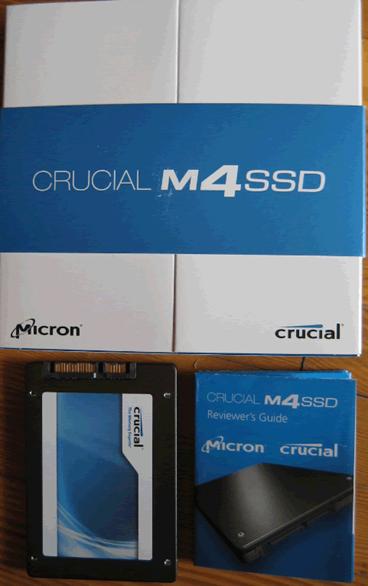
Not much to see on
the box of the Crucial M4, the SSD was a review sample so there wasn't much
inside the box, only the drive and the brochure with all the info that a
reviewer needs. When you decide to purchase the M4 you won't be getting the
package that you see in the picture. Instead you have various different choices
that you can select. Have a look at the next picture to see what M4 SSD
packages are available.
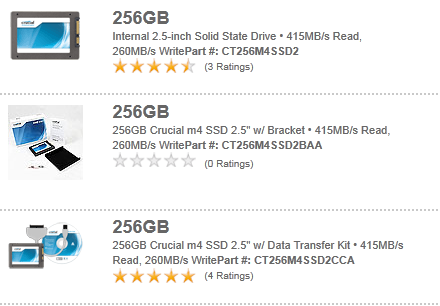
Three options are
available as we can see. Now it's time to take a closer look at the Crucial M4
SSD that was send to us.
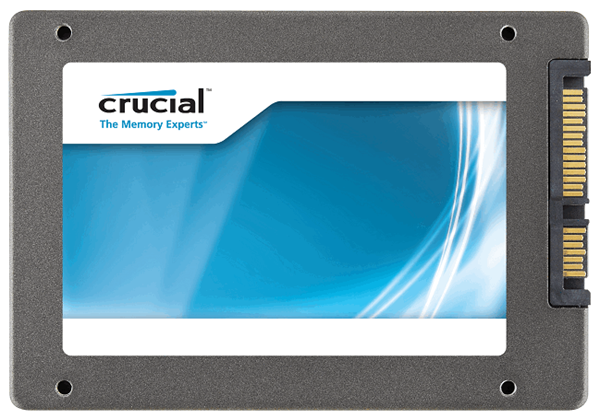
Rear side of the Crucial M4 SSD.
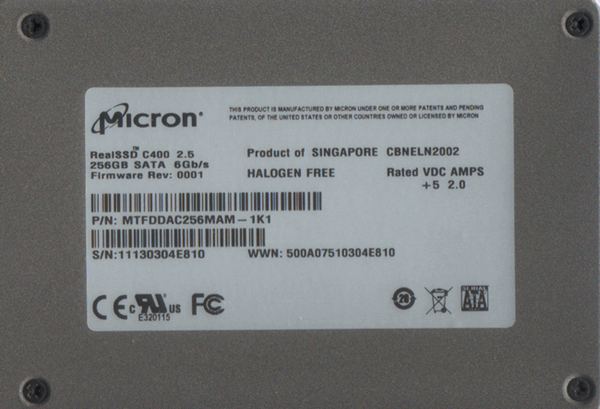
Front side.
Front of the box.
Inside the
Crucial M4
Time to see what
is inside the Crucial M4 housing.
Front
Back
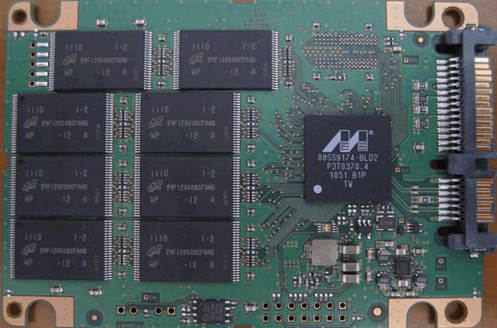
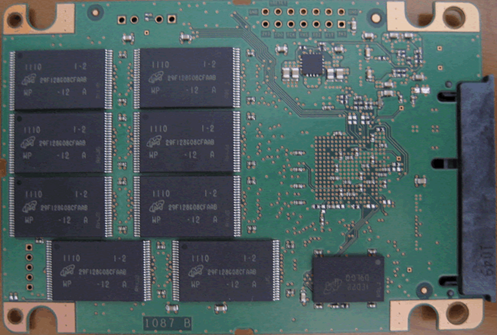
On the top of the
PCB we can see the Marvell 88SS9174-BLD2 SATA3 controller and eight 25nm NAND's
manufactured by Micron, on the reverse side of the PCB there are eight more
25nm NAND's and the buffer for the drive.
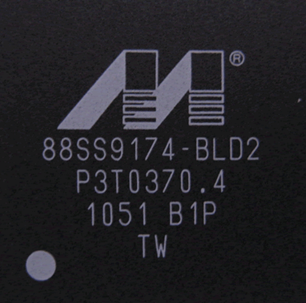
A close look at the
Marvell 88SS9174-BLD2 SATA3 controller. The Marvell controller promises a
better performance over the previous controller that was used on the Crucial
C300 SSD. Higher IOPS and read/write speed, as well as better TRIM performance.
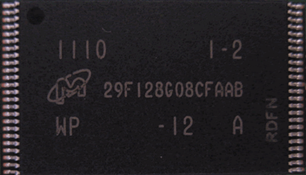
Micron's 25nm NAND.

The buffer of the M4 SSD. 128MB
Crucial M4
Specifications
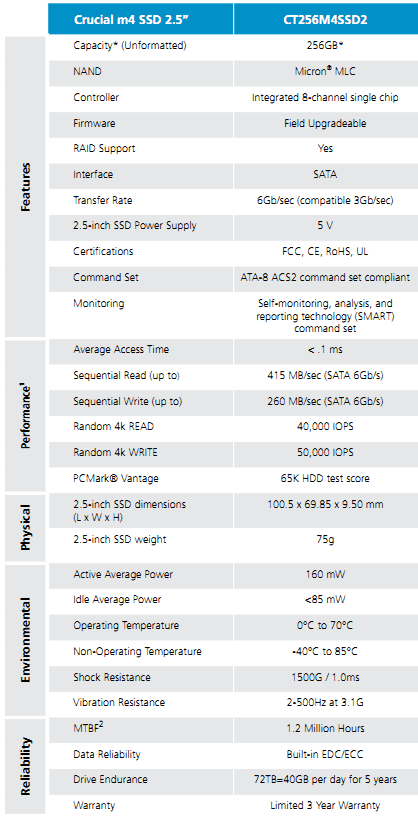
Here are the
specifications of the Crucial M4 as they appear on their website.